 Recorded
Understanding What Chelation Therapy is and Its Role in Clinical Care
The air we breathe, the food we eat, and the water we drink is filled with toxic metals that we aren’t even aware of. These toxic metals start accumulating in our body in the blood stream over time, and they might cause various chronic diseases in the future. Chelation therapy is a medical treatment that uses various medicines to help bind certain metals in the body. This makes their removal easy. It is usually carried out in pill format or through intravenous infusions. This particular course explores what the science behind chelation therapy is, how it is applied in medical settings, what are the benefits, and what to consider if you want to use it.
RecordedWhat you’ll actually learn
- Understand how chelation therapy works, how they bind to certain metals for safe extraction, and potential side effects.
- Study about the medical applications of chelation and how it helps in dealing with metal poisoning and other conditions caused by toxic metals such as lead and mercury.
- Learn about what chelating agents are commonly used, and under what type of situation as it depends on the individual’s condition.
- Learn about how toxic metal exposure is caused, why metals affect us, and what you can do about it.
- Learn about the mechanisms of metal toxicity, its forms, and what symptoms show up if you do have metal toxicity.
- Learn more about how metal toxicity manifests itself into heart disease, hypertension, diabetes and several others.

Who’s this for?
This course is beneficial for healthcare professionals, practitioners, nutritionists or people who have the appropriate clinical background and want to expand their knowledge in the field. Health professionals who are already working in domains such as toxicology, environmental health, and integrative medicine can also enroll in this course, depending on the course’s eligibility requirements. It is important to note that chelation therapy does involve prescription medicines that have side effects. Practitioners must work within their professional qualifications, should have a legal scope of practice, and must have applicable clinical guidelines.
Why this course
is important
- If you suspect that you or your patient is going through metal toxicity, then it needs appropriate assessment and testing before deciding on a treatment plan.
- Chelation is not just a generic detox treatment. It is an established medical process and its uses are specific.
- Chelating agents can affect essential minerals and may cause serious complications, including kidney damage or dangerously low calcium levels.
- Chelation therapy is individual in nature. It depends on the choice of agent, the need for treatment, and what specific metal exposure the individual is exposed to.
- Understanding the nuances of chelation therapy can help practitioners and healthcare professionals understand the different types of medical uses. It can also help them separate out treatments that don’t have enough evidence.
Where it leads
When you have a strong and thorough understanding of what chelation therapy is, what it does, and what it is used for, then it can add, and possibly even complement your existing knowledge in the field. This therapy has already been proven for its medical uses. It even highlights the risks that are connected to metal toxicity. While there are older studies out there that spread misconceptions about chelation therapy, this particular course has everything that you need to know in an authentic yet seamless manner.

Topics
- How Environment Drives Chronic Disease
- Why are Heavy Metals Toxic?
- Toxic Metal Binding to Ligand
- Mechanisms of Metal Toxicity
- Metal-Mediated Oxidative Damage
- Understanding Chemical Related Factors
- Understanding Ignored Medical Literature
- NOEL: No Observable Effect Level
- Lead and Vascular Disease
- Blood Lead Associated with MI and Stroke
- Underlying Mechanisms of Heavy Metal Overload
- Lead and Homocystine: Understanding Hyperhomocysteinemia
- Mercury and Cardiovascular Disease
- Arsenic and Cardiovascular Disease
- Lead and Metabolic Disruption
- Mercury and Metabolic Disruption
- Cadmium, Metabolic Syndrome and Diabetes
- Heavy Toxic Metals and Diabetes
- How Environmental Factors Disrupt Insulin Signalling, Drive Inflammatory Metabolism
- The Process of Chelation: What is Chelation Therapy?
- Different Types of Chelators
- Understanding EDTA
Accreditations
Other Courses
 Conditional Tag
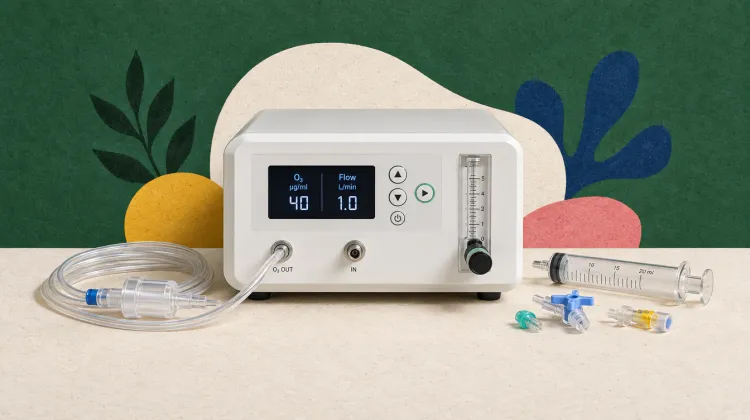
Ozone Therapy Certification Course
There are multiple types of medical procedures and therapies that involve the use of particular elements to treat certain diseases or chronic side effects from a certain lifestyle or auto-immune diseases. In the same light, Ozone Therapy can be described as using the Ozone Gas and exposing it to the body to treat diseases and symptoms. Ozone therapy can be used to treat chronic illnesses, lifestyle issues,for detoxification, rejuvenation and can be used as a support therapy to treat the long-lasting side effects from life threatening diseases. You will learn how, why and when Ozone Therapy is used, limitations of the practice and how it affects the immune system along with the pre-conditions to consider before you opt for the course.
 4.2 Rating
Rs. 999
 Recorded
Conscious Connected Breathwork Certification Course
Explore conscious connected breathwork, a practice that is centred on continuous, intentional breathing as well as awareness of the body. This course introduces various breathing techniques, methods of breath retention, physical and emotional responses, and practical considerations involved in a guided session. Develop a core foundational understanding of the practice, as to how to approach it thoughtfully, and why identifying individual responses and safety considerations matters.
4.8 Rating
Rs. 999
 Recorded
Quantum Hydration Certification Course
Hydration is about more than how much water you drink. The Quantum Hydration Certification Course explores the relationship between water, cellular function, minerals, mitochondrial health and the body’s hydration needs. You will be introduced to concepts right from quantum biology, involving exclusion zone water and metabolic water, while also exploring everyday factors that influence hydration. The course also looks at practical ways to assess hydration habits and make more informed recommendations for your clients.
4.5 Rating
Rs. 999
Things You’re Probably Wondering
Yes. Chelation therapy really works and it is an effective way of treating heavy metal poisoning like mercury, lead, arsenic, and even cadmium.