 Recorded
Pediatric Nutrition Certification Course

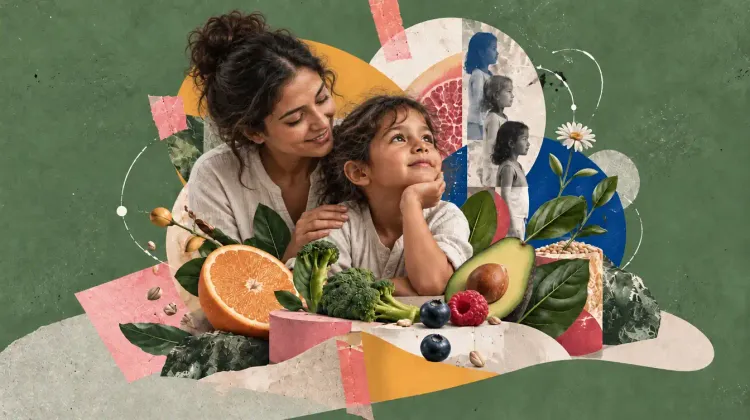
Children have different nutritional needs at different stages of their growing years. All the way from infancy, the introduction of semi-solid and solid foods, to the toddler stage, school growing years, and the onset of puberty, nutrition plays a very important role in the growth, development, and overall health and well-being. This particular course will help you learn about the fundamentals of pediatric nutrition. Here, you will be able to understand how nutritional needs change in children, spending on which growth stage they are in, what impacts their eating habits, and how it helps their long-term growth and development.
RecordedPediatric Nutrition Certification Course

This course will be useful for nutritionists, dietitians, healthcare practitioners, and pediatricians who are interested in developing their knowledge in child nutrition. Parents and early childhood educators can also find this course appealing, as they would definitely want a better understanding of the nutritional needs of growing children. Functional health coaches can also find this course helpful. However, it is important to note that supporting children's general nutrition is different from diagnosing or treating their medical conditions, which requires professional qualification.
When you have a strong understanding about pediatric nutrition, you can develop a better understanding about what your child is lacking in, what they need, and what will be the long term impacts of functional nutrition on their growth and development. It can also help you to build a strong foundation in child health, nutrition education, as well as family wellness. This course can also provide a starting point if someone wants to learn extra about infant feeding, childhood nutrition, and specialised pediatric nutrition.



Registered Dietitian | Certified Functional Nutritionist | Certified Diabetes Educator

Nutrition and Supplements Expert

Certified Functional Nutritionist
 Recorded
Advanced Biomarker Interpretation Certification Course
Advanced biomarker interpretations can help us understand results more properly and accurately than compared to individual markers. In this particular course, you will learn why certain specific tests are used, when they are used, how do you approach them, how do you interpret them, and how you can connect your findings in a clinical setting with the help of case-based screenings and sample reports. All the way from gut health and metabolism to hormone testing and genetics, this course will help healthcare professionals and nutritionists alike to build a much stronger understanding of functional nutrition.
 4.8 Rating
Rs. 25,000
 Recorded
Functional Sports Nutrition Certification Course
In this course, you will be able to learn about how nutrition, exercise, hydration, diets, lifestyle choices and even hormonal health together affect an individual’s athletic performance. iThrive Academy’s Functional Sports Nutrition Certification Course dives deep into the science behind physical fitness and also tells us about how the balance between nutrients, your body’s physical requirements, blood work, and personalized nutrition planning can all help to optimize sports nutrition in the best way possible.
4.7 Rating
Rs. 15,000
Pediatric nutrition is important because it helps to fuel the child’s physical, emotional and cognitive development during crucial growth years. It makes sure that the child is not falling behind in terms of growth and development.