iThrive Academy, India’s first academy to teach Functional Nutrition, explores how the body wisely communicates via the biomarkers and how small, and targeted lifestyle shifts can entirely reset your metabolic rhythm. Metabolic Syndrome is no longer rare, rather it’s one of the most common yet silent health disruptors of modern life. From stubborn belly fat and high triglycerides to rising blood sugar and fatigue, the condition slowly creeps in as the body’s inner systems lose balance. But the truth is, it’s reversible, and the path to fixing it lies in the basics that are food, sleep, and stress management.
Understanding Metabolic Syndrome along with its hidden impact
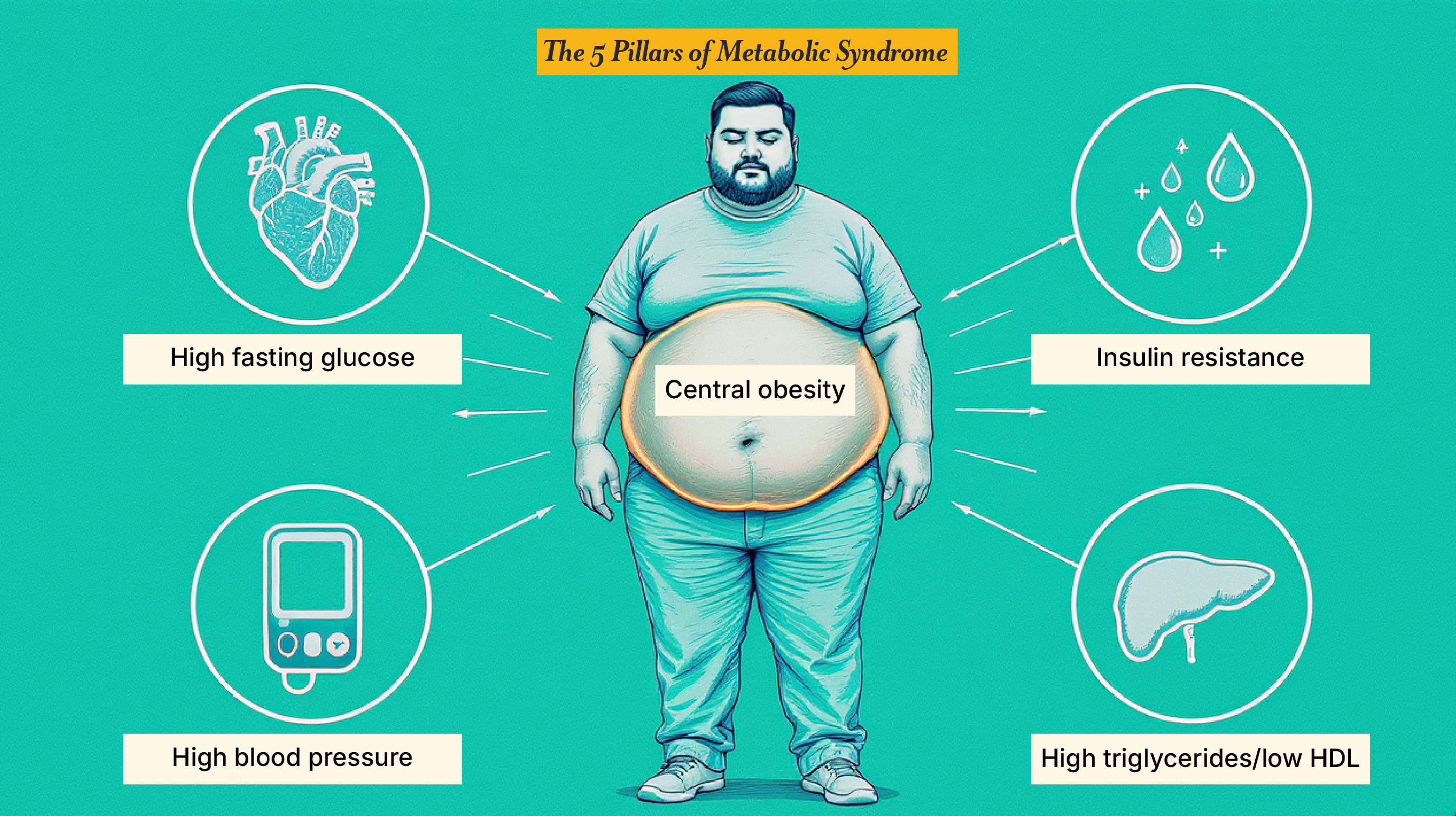
So, what exactly is Metabolic Syndrome?
It’s not a single disease, rather it’s a cluster of interconnected metabolic imbalances:
- Central Obesity specifically around the waist.
- High Blood Pressure
- Highly elevated triglycerides and low HDL cholesterol
- Highly fasting glucose
- Insulin resistance
Together, these factors maximize the risk of Type 2 Diabetes, Heart Disease, and Non-Alcoholic Fatty Liver Disease. In fact, heart disease and metabolic syndrome often goes hand-in-hand, as both are fueled by chronic inflammation, poor lifestyle choices, as well as hormonal dysregulation.
At its core, metabolic syndrome represents a state of metabolic dysfunction, where the body no longer efficiently processes fuel or manages the energy. The good news? Functional nutrition provides a powerful and evidence-based way to restore that balance.
Root Causes: Why Metabolic Health Breaks Down
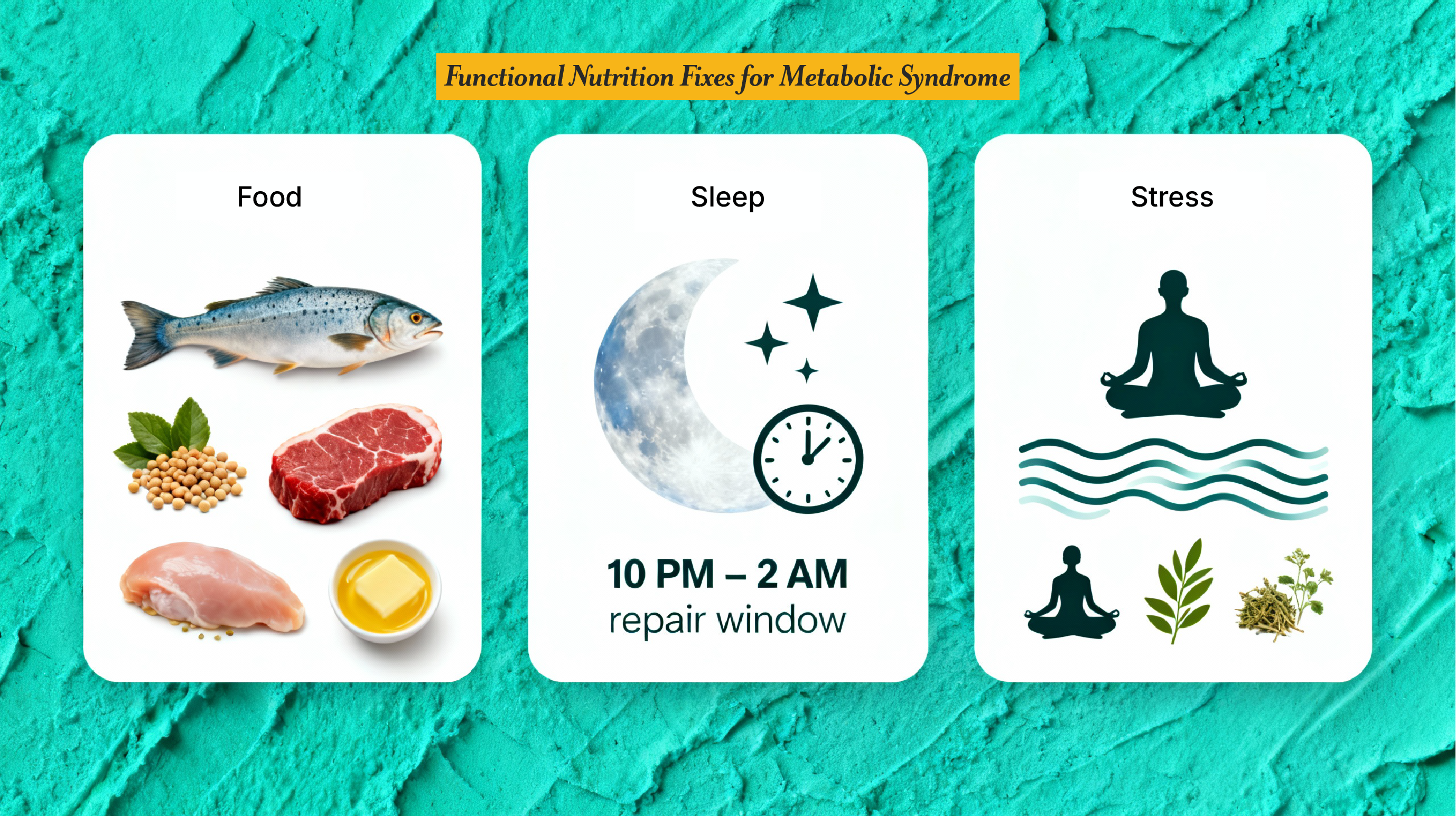
In Functional Nutrition, we often focus on “why” before “what.”
So before even fixing metabolic syndrome, we must surely uncover its root causes.
1. Insulin Resistance
Insulin resistance is the cornerstone of metabolic dysfunction. It happens when the cells entirely stop responding appropriately to insulin, forcing the pancreas to pump out more. Over a period of time, this results in high blood sugar, fat accumulation, and eventually metabolic syndrome.
2. Chronic Inflammation
Excess fat tissue acts like an inflammatory factory, further releasing chemicals that disrupt insulins and lipid metabolism. Diets which are quite high in seed oils, refined carbs, and sugar fuels this entire inflammation.
3. Mitochondrial Dysfunction
Mitochondria, that is your cell’s energy factory, becomes very sluggish with poor nutrition as well as toxic exposure. When ATP production suddenly drops, fat oxidation falters, leading to weight gain and fatigue.
Importantly, mitochondrial dysfunction is both a cause and a consequence of metabolic imbalance. As metabolic syndrome worsens, inflammation and insulin resistance further impair mitochondrial efficiency, creating a vicious cycle that keeps the metabolism suppressed.
4. Hormonal Chaos
Stress hormones such as cortisol and adrenaline elevate blood sugar and also promote fat storage. Leptin and thyroid hormone resistance mostly join the mix, eventually disrupting appetite control as well as metabolism.
Fixing Metabolic Syndrome Naturally - The Functional Way
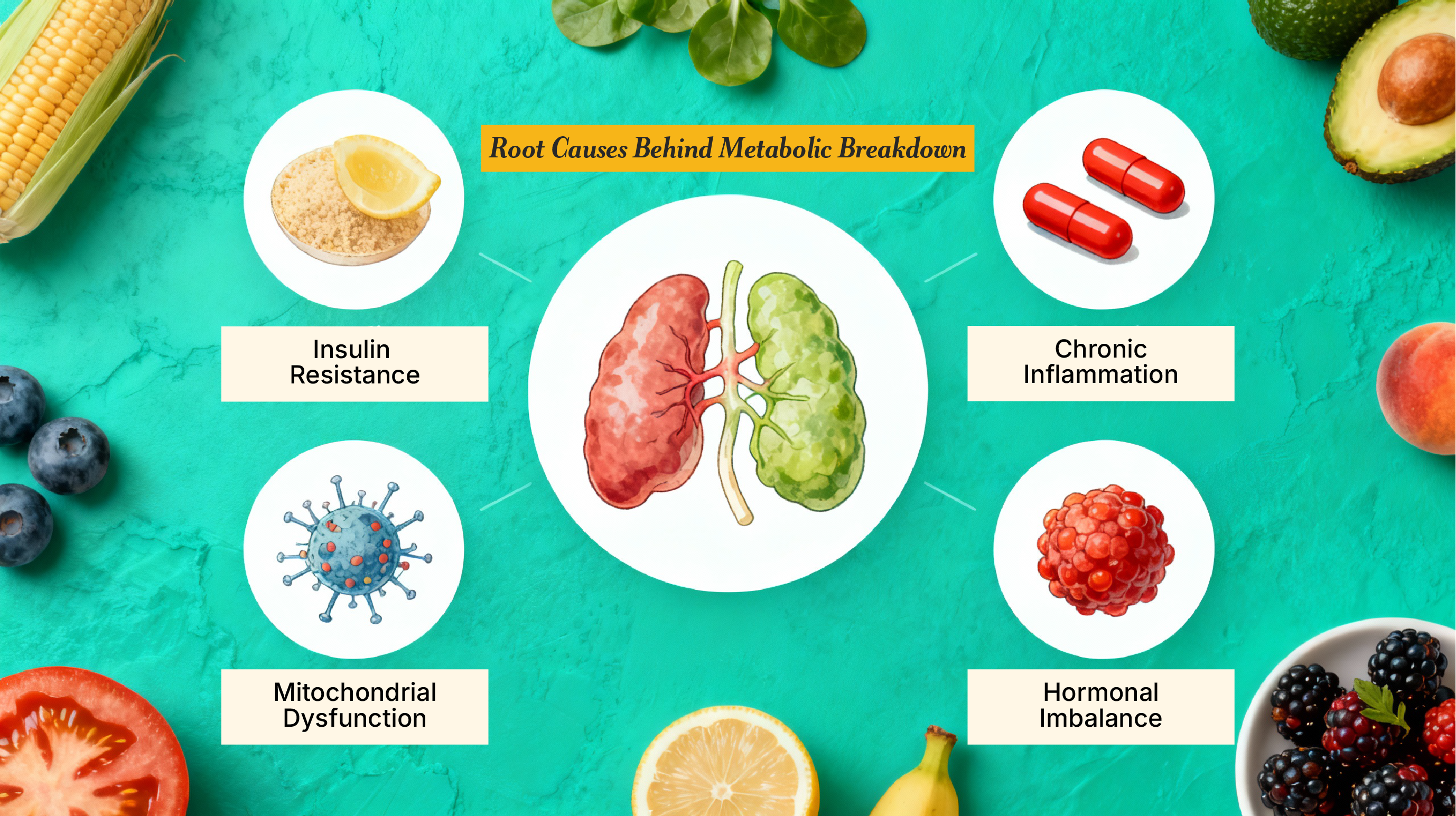
The Functional Nutrition approach does not emphasise on symptom suppression. It rather emphasises on restoring balance via targeted changes in stress management, food, sleep, and lifestyle that are the pillars having direct influence on insulin resistance, inflammation and energy.
1. Food: The Foundation of Healing
When it comes to metabolic syndrome, the goal is clear, to reduce inflammation, rebuild metabolic flexibility, and stabilize blood sugar.
Eat Whole, Not Processed
Switching to a whole-food diet is the very first step. Unprocessed grains, good quality protein, colourful veggies, and healthy fats. These foods improvise insulin sensitivity and also nourishes your mitochondria.
Adopt an Anti-Inflammatory Diet
An anti-inflammatory diet isn’t about following mainstream templates like the Mediterranean or Paleo diet. In functional nutrition, it’s about removing the foods that trigger inflammation and metabolic stress in the first place. This typically includes eliminating gluten, dairy, refined sugar, processed foods, and seed oils such as sunflower, soybean, and groundnut oil.
Smart Carbohydrate Choices
Eliminate refined sugars along with white carbs. Rather, utilize slow-releasing carbs such as quinoa, lentils, and millets. For few, carb cycling and intermittent fasting is beneficial as it resets insulin and leptin sensitivity, but these too should be customised and carefully designed.
Fats That Heal
Eliminate refined seed oils such as soyabean, sunflower, and groundnut oil. Rather use traditional fats such as ghee or coconut oil. Omega-3s from fish or krill oil are best for improving lipid profile and minimising inflammation.
Functional Foods and Nutrients
- Magnesium: Enhances the function of insulin.
- Vitamin D: Improves glucose control and minimizes inflammation.
- Cinnamon & Fenugreek: Naturally improve insulin sensitivity.
- Fiber: Supports liver detoxification as well as blood sugar regulation.
For practitioners, iThrive’s ICFN Course offers deep training in nutritional protocols that help reverse conditions.
2. Sleep: The Most Underrated Therapy
If food is fuel, sleep is the repair window of your body. Poor sleep can trigger insulin resistance, and leptin imbalance, both eminent players in metabolic syndrome.
- Aim for 7 to 9 hours of sleep, specifically between 10 PM and 2 AM, when adrenal recovery peaks.
- Maintain a consistent circadian rhythm, get sunlight during daytime, and avoid screens at night.
- Even a single night of poor sleep can impair glucose tolerance and also raise cortisol levels.
At iThrive Academy, our short courses on Nutrition for Heart Health, Functional Sports Nutrition, Basics of Nutrition Science and others help us build functional nutrition experts.
3. Stress: The Silent Metabolic Disruptor
Chronic stress might be the most overlooked factor in metabolic syndrome. Elevated cortisol keeps your body in constant “fight or flight,” pushing glucose and triglycerides into the bloodstream.
Rebalance Your Stress Response
- Meditation & Breathwork: Helps in resetting the parasympathetic nervous system.
- Movement: Low-impact exercise such as yoga or walking improves insulin sensitivity.
- Adaptogens: Herbs such as Rhodiola and Ashwagandha help regulate cortisol and protect the mitochondria.
The Nutrition for Heart Health course at iThrive Academy dives deep into how stress, metabolism, and heart health are interlinked and how nutritional strategies can minimize cardiovascular risks linked with metabolic syndrome.
4. Monitoring Your Biomarkers: Data That Guides Action
You can never fix what you don’t track. In functional practice, bio markers serve as the data map of the body.
- Blood Glucose & Insulin: Fasting glucose, fasting insulin, C-peptide, HOMA-IR, and postprandial readings together give a far more accurate picture of early insulin resistance and overall metabolic health.
- Lipid Profile: HDL, LDL, cholesterol, triglycerides, ApoB, and Lipoprotein(a) reveal cardiovascular and metabolic risks.
- Inflammatory Markers: hs-CRP indicate acute inflammation and ESR indicate chronic inflammation.
- Thyroid & Hormones: Leptin levels reflect metabolic stress and energy imbalance.
The ICFN program trains practitioners to interpret over 55+ blood markers, turning numbers into actionable plans for clients, which is the hallmark of functional nutrition practice.
Empower, Pioneer, and Transform
Fixing metabolic syndrome is not at all about quick fixes or calorie-cutting trends. It’s rather about understanding the bioindividual requirements of your body as utilizing sleep, stress, and food.
At iThrive Academy, we empower nutrition professionals to pioneer change via a scientific, root-cause approach, helping the individuals transform their metabolic health naturally. Whether it’s through our flagship ICFN certification or emphasised short courses such as Nutrition for Heart Health, Functional Sports Nutrition, or Basics of Nutrition Science, we’re shaping the next generation of functional nutrition experts.
Final Thoughts
Metabolic Syndrome may seem like a heavy diagnosis, but it’s actually your body’s way of asking for alignment. By focusing on nutrient-dense foods, restorative sleep, emotional and lifestyle balance, you can reverse the root causes and rediscover true vitality.
Small tweaks truly lead to big changes and that’s the essence of Functional Nutrition.








.jpg)