Introduction
Heart disease does not develop overnight. It is the result of years of silent metabolic stress, inflammation, insulin resistance, and nutritional missteps that slowly strain the cardiovascular system. Yet most conversations around heart health nutrition still revolve around one oversimplified villain cholesterol.
At iThrive Academy and Research Centre, we approach heart health very differently. As the first academy in India to teach functional nutrition, we train learners to look beyond surface markers and understand how daily dietary patterns, micronutrient status, inflammation, and toxin exposure shape long term cardiovascular outcomes.
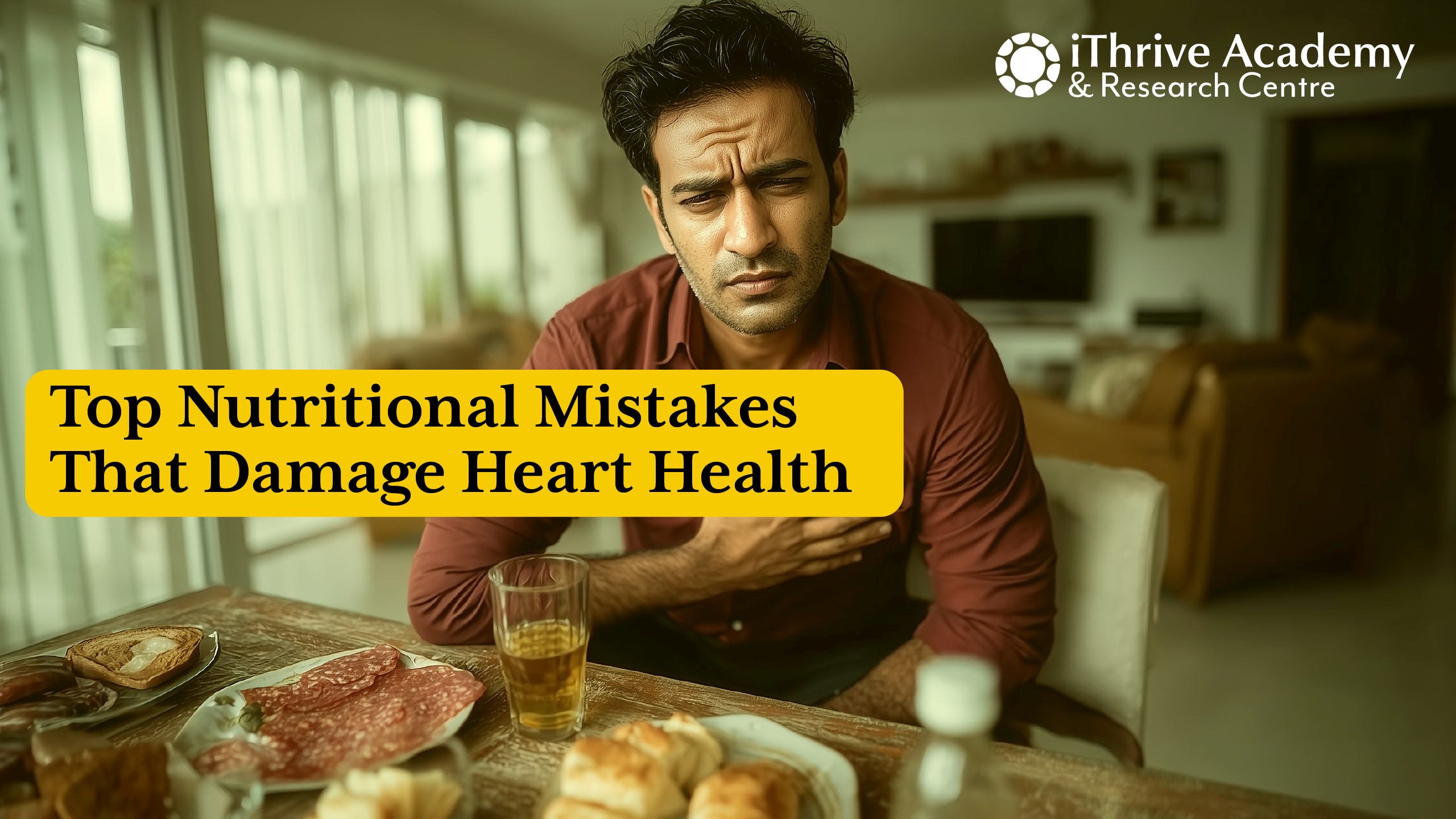
For many adults, especially after the age of 30, heart health begins to decline not because of a single bad food but due to repeated nutritional mistakes that disrupt metabolic balance. Understanding these common heart health mistakes is the first step toward prevention and reversal.
This blog will be exploring the top nutritional mistakes for heart health that quietly accelerate damage, even in people who believe they are eating “normally”.
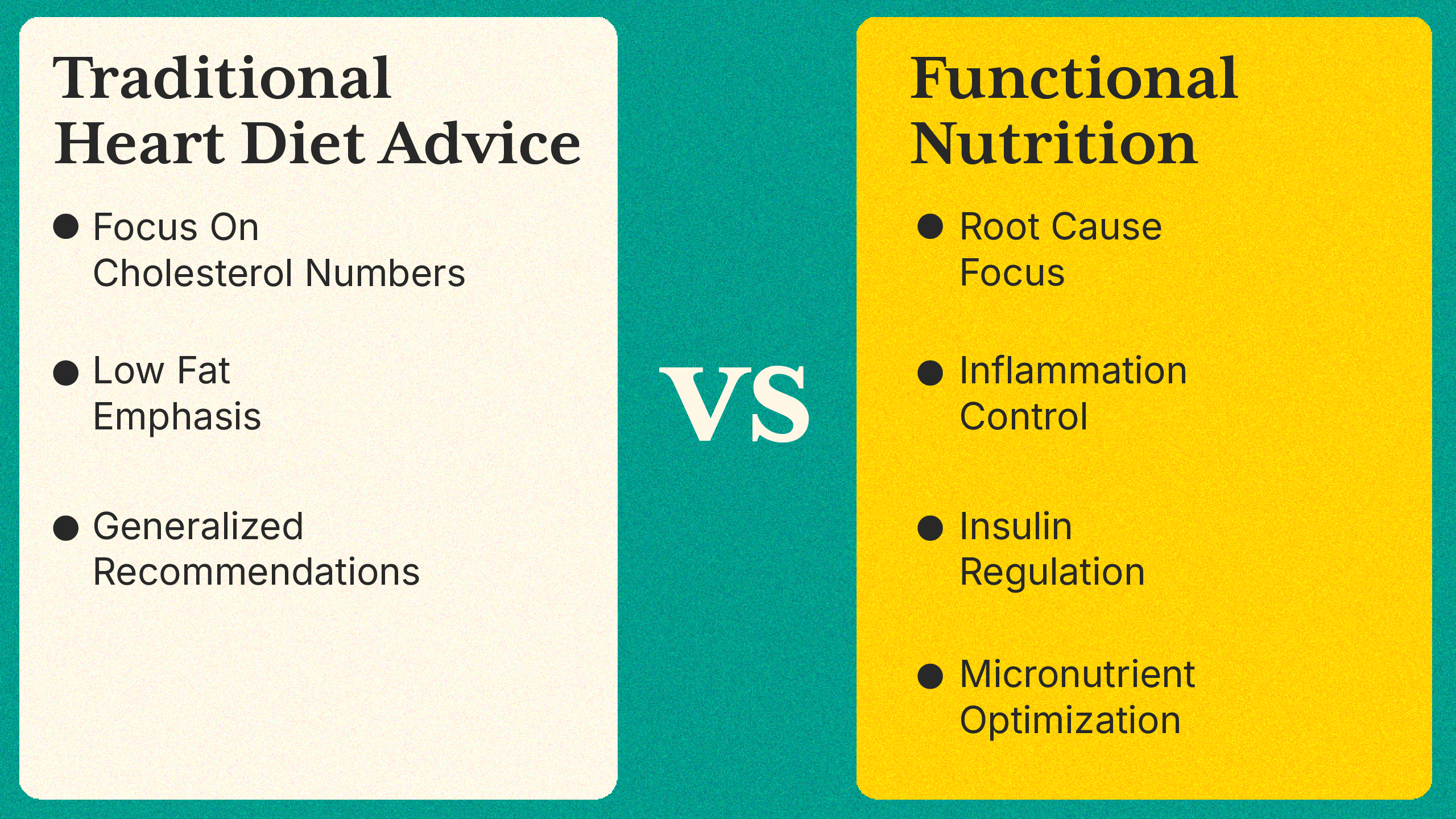
Why Heart Health Is About Lot More Than Cholesterol
Traditional models of heart disease focus heavily on cholesterol numbers. However, functional medicine shows us that cholesterol is often a downstream marker rather than the root cause. Inflammation, insulin resistance, oxidative stress, and endothelial dysfunction play a far more central role in cardiovascular disease.
A poor diet and heart problems are closely linked not because of fat intake alone, but because of how modern eating patterns disrupt cellular health. Diet mistakes causing heart disease often stem from food quality, nutrient depletion, and metabolic stress rather than calories alone.
This root cause framework is a core part of the iThrive Certified Functional Nutrition program, where learners are trained to decode cardiovascular risk using a systems based approach. This systems based framework is a core part of the iThrive Certified Functional Nutrition program, where learners are trained to decode cardiovascular risk using a systems based approach (read more about how functional nutrition differs from conventional models here).
Mistake 1: Excessive Intake of Inflammatory Fats
One of the most damaging yet overlooked contributors to heart disease is the overconsumption of omega 6 rich polyunsaturated fats from refined seed oils.
How Inflammatory Fats Damage the Heart
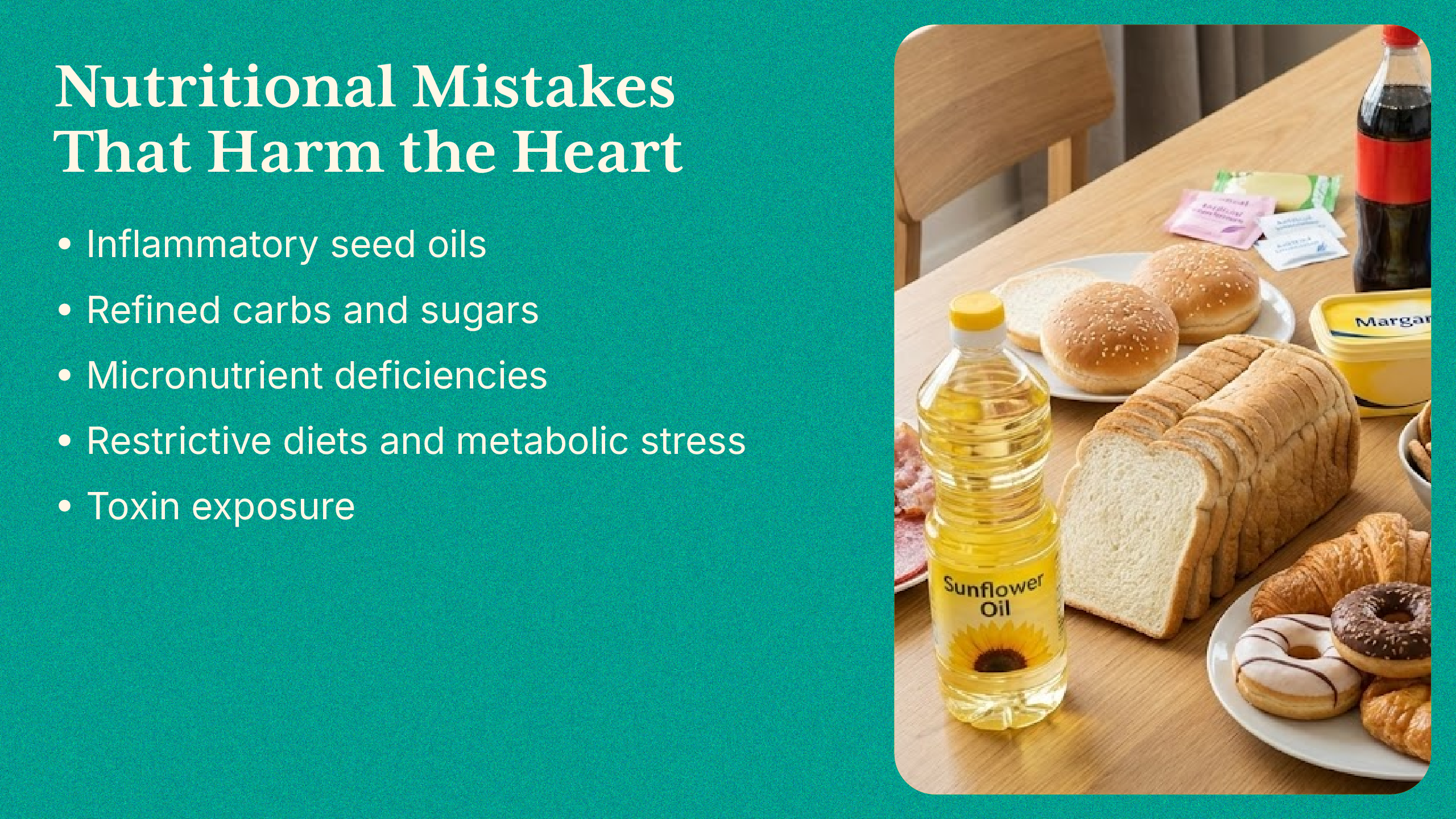
Modern diets rely heavily on oils such as soybean, sunflower, safflower, canola, and corn oil. These fats are chemically unstable and highly prone to oxidation. When exposed to heat, light, or oxygen, they undergo lipid peroxidation, producing free radicals that damage blood vessels and cardiac tissue.
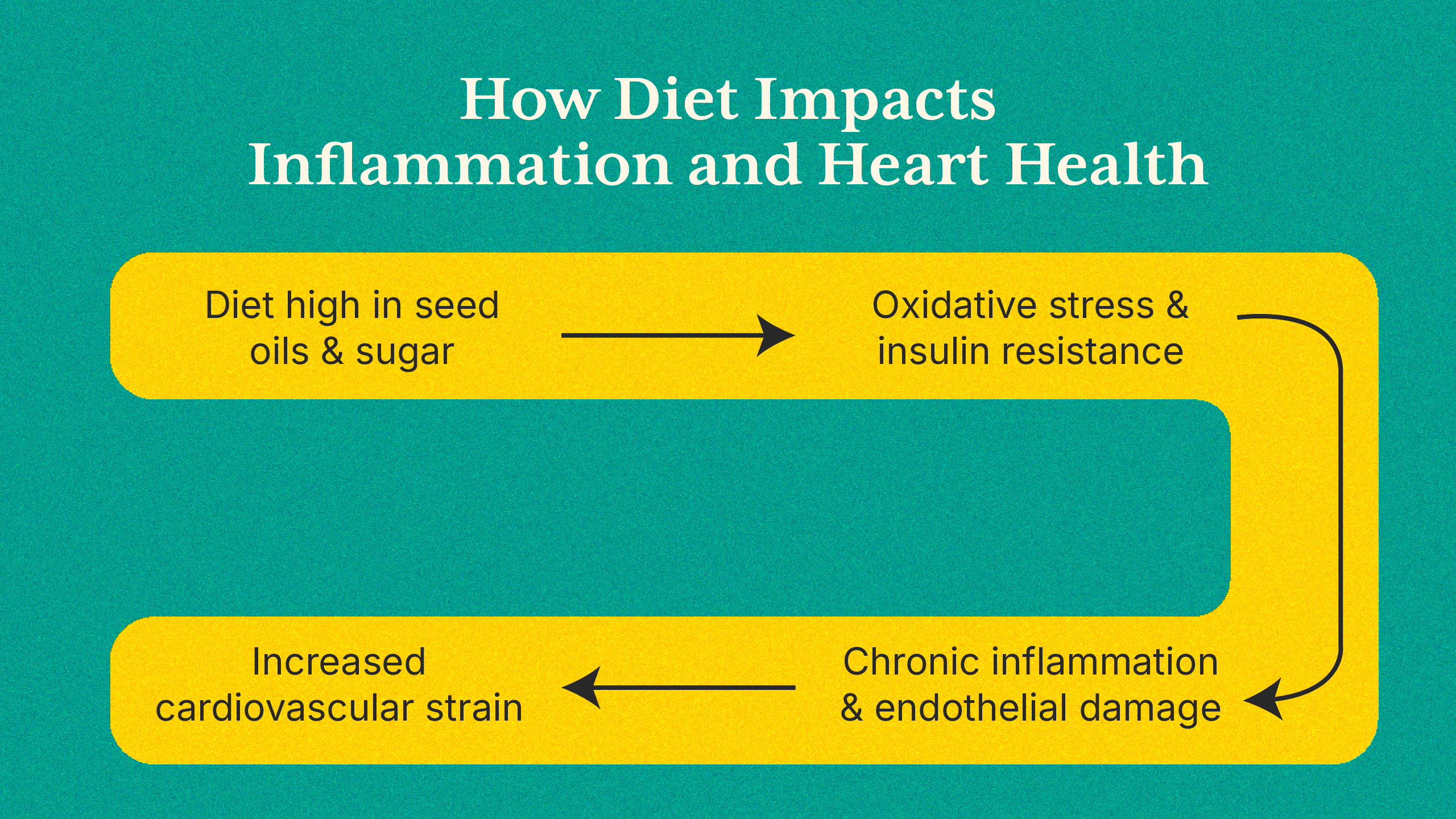
This oxidative stress drives chronic inflammation, which is the true foundation of atherosclerosis. Rather than cholesterol clogging arteries, it is the inflamed and damaged vessel walls that initiate plaque formation.
Foods that damage heart health often include packaged snacks, restaurant meals, processed foods, and commercially produced meats where these oils are widely used.
In functional nutrition education at iThrive Academy, students learn how correcting fat quality and improving the omega 6 to omega 3 balance dramatically reduces cardiovascular risk. This principle is also explored in depth inside the Nutrition for Heart Health short course.
Mistake 2: Overconsumption of Refined Carbohydrates and Sugar
Another major dietary pattern that undermines heart health is excessive intake of refined carbohydrates and sugars.
Insulin Resistance and Heart Disease
When refined flours and sugars are consumed regularly, blood glucose rises rapidly. This forces the pancreas to release large amounts of insulin. Over time, cells become less responsive to insulin, leading to insulin resistance.
Insulin resistance is one of the strongest predictors of cardiovascular disease. It directly contributes to dyslipidemia, where triglycerides rise and protective HDL cholesterol falls. This pattern is far more predictive of heart disease than total cholesterol alone.
Refined carbohydrates also increase the liver’s production of triglyceride rich particles, worsening lipid profiles and increasing cardiovascular strain.
Learning which functional foods support metabolic health and reduce inflammation is essential as discussed in our blog on why functional foods are gaining popularity in India.
Fructose and Fatty Liver Connection
Excess fructose from sweetened beverages and packaged foods overwhelms the small intestine and is shunted to the liver, where it is converted into fat. This contributes to non alcoholic fatty liver disease, a condition strongly linked to heart disease.
Advanced glycation end products formed during high-heat cooking of sugary foods place a significant burden on the liver, impairing its detoxification capacity and promoting fat accumulation and cellular damage, which can contribute to long-term metabolic and vascular dysfunction.
These patterns form a significant part of the heart unhealthy foods list that functional nutrition practitioners help clients identify and replace.
Mistake 3: Ignoring Micronutrient Deficiencies
Heart health nutrition is not only about what you remove from the diet but also about what you are missing.
Magnesium Deficiency and Cardiovascular Stress
Magnesium is essential for maintaining normal heart rhythm, relaxing blood vessels, and regulating blood pressure. Chronic stress, caffeine intake, alcohol, and poor diets deplete magnesium rapidly.
Low magnesium increases the risk of hypertension, arrhythmias, insulin resistance, and Type 2 diabetes, all of which elevate cardiovascular risk.
B Vitamins and Homocysteine
Deficiencies in vitamins B6, B9, and B12 impair methylation pathways. This leads to elevated homocysteine levels, a well established risk factor for heart attacks and strokes.
Many people follow diets that appear healthy but are functionally deficient in these nutrients due to poor absorption, gut dysfunction, or chronic inflammation.
Vitamin D and Metabolic Health
Low vitamin D status is strongly associated with cardiovascular disease, insulin resistance, and high blood pressure. Yet it remains one of the most common deficiencies worldwide.
Inside iCFN, learners are trained to interpret these micronutrient patterns using functional blood chemistry analysis rather than isolated lab values.
Mistake 4: Extreme Dieting and Metabolic Stress
Restrictive diets are often marketed as heart healthy, but many create more harm than benefit when followed long term.
Chronic Low Carbohydrate Stress
Diets that severely restrict carbohydrates for prolonged periods increase cortisol and glucagon secretion. This stress response disrupts glucose regulation, worsens insulin resistance, and strains adrenal and reproductive hormones.
For many individuals, especially women, this metabolic stress eventually backfires, leading to fatigue, hormonal imbalance, and increased cardiovascular risk.
Circadian Rhythm Disruption
Skipping breakfast, eating late at night, or irregular meal timing disrupts circadian rhythm.This impairs glucose tolerance and increases the risk of metabolic syndrome, a major driver of heart disease.
Functional nutrition emphasizes as a key regulator of metabolic and cardiovascular health.
Mistake 5: Ignoring Environmental Toxin Exposure
Heart disease is not driven by diet alone. Environmental toxins play a significant role in long term cardiovascular damage.
Heavy metals such as aluminum and mercury interfere with nitric oxide production, which is essential for healthy blood vessel dilation. Endocrine disrupting chemicals from plastics, cookware, and household products disrupt hormonal signaling and increase metabolic stress.
When detoxification pathways are overwhelmed, inflammation rises and vascular health declines. Addressing toxin exposure is an essential component of a comprehensive diet for a healthy heart.
This systems based understanding is taught in detail at iThrive Academy, the first academy in India to teach functional nutrition in an integrated and clinically relevant way.
Why Functional Nutrition Is Essential for Heart Health
Heart diseases are rarely isolated. They are part of a larger pattern involving gut health, insulin regulation, inflammation, nutrient deficiency, stress, and environmental toxin exposure.
Functional nutrition connects these dots. It helps practitioners and individuals understand why certain foods increase cholesterol, inflammation, and why some diets fail. It helps them planpersonalized interventions to restore balance.
The Nutrition for Heart Health short course at iThrive Academy equips learners with practical frameworks to assess cardiovascular risk using functional markers, lifestyle patterns, and nutrition science that goes beyond conventional advice.
For those seeking deeper mastery, the iCFN program offers comprehensive training in functional blood chemistry, metabolic health, and therapeutic nutrition protocols.
Understanding advanced biomarker testing is a powerful tool in functional nutrition, as we explore in our blog about why every nutritionist must learn advanced testing.
Final Thoughts
At iThrive Academy and Research Centre, our mission is not just to educate but to redefine how heart health is understood and addressed.
Empower
We equip learners with the tools, confidence, and clarity to take charge of their own health and the health of others. Through iCFN and specialized courses like Nutrition for Heart Health, students learn to decode cardiovascular risk using science that makes sense.
Pioneer
We break away from conventional teachings. We unlearn outdated cholesterol centric models and relearn what truly heals through root cause science and functional medicine. This pioneering approach allows practitioners to create lasting change rather than temporary symptom control.
Transform
Beyond knowledge, our programs create transformation. Graduates become practitioners who heal, guide, and inspire healthier communities. They shift the conversation from fear to understanding, from restriction to nourishment, and from confusion to clarity.
Heart health is not about perfection. It is about awareness, informed choices, and addressing the true drivers of disease. With the right education, prevention becomes possible and healing becomes sustainable.
Explore the Nutrition for Heart Health course or begin your journey with iCFN to truly understand how nutrition shapes the heart.







.jpg)